Saqqara is one of the most important burial grounds in ancient Egypt. It is named after the funerary god Sokar (Seker) and served as the main cemetery of the ancient capital Memphis.
Located south of the Giza Plateau, Saqqara was used for over 3,000 years, from the Early Dynastic Period to later eras.
Importance of Saqqara
Saqqara is unique because:
- It contains tombs from all major early Egyptian periods
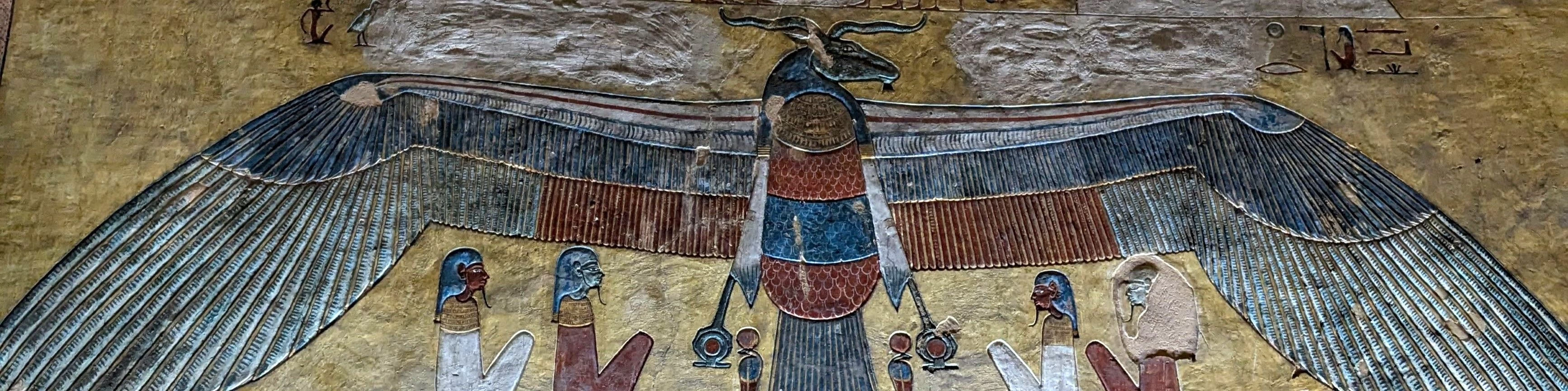
- It has the largest concentration of Old Kingdom decorated tombs
- It shows the evolution of tombs, pyramids, and religious texts
Step Pyramid of Djoser
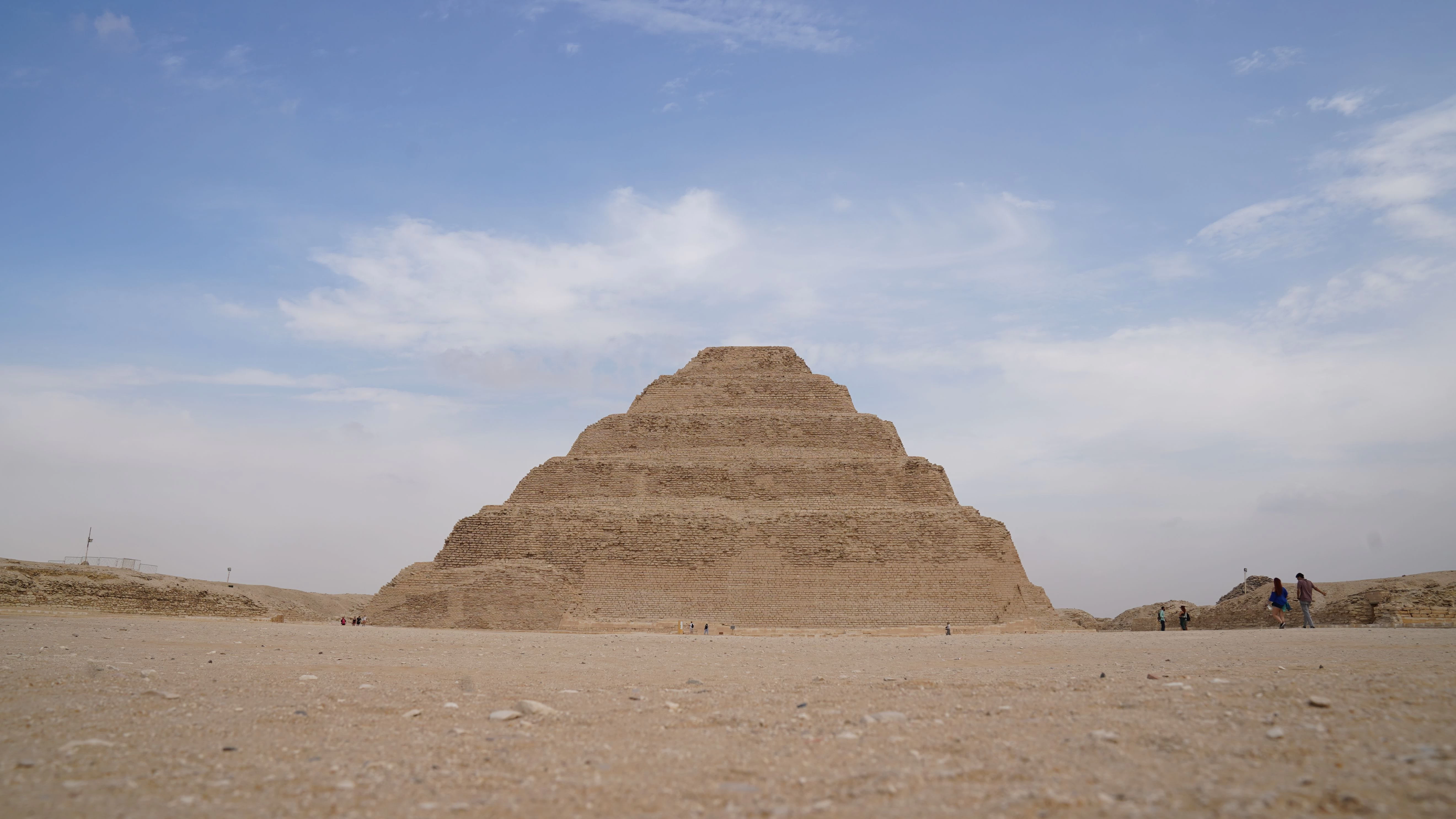
The highlight of Saqqara is the Step Pyramid of King Djoser (Third Dynasty, c. 2700 BC).
- Built for Djoser
- Designed by Imhotep
- First large stone structure in history
- Consists of 6 stepped layers
- Contains underground corridors and chambers
Serapeum of Saqqara
Discovered by Auguste Mariette:
- Underground burial complex
- 24 massive stone sarcophagi
- Each weighs around 70–100 tons
- Used for sacred Apis bulls
Other Pyramids in Saqqara
- Pyramid of Teti
- Pyramid of Unas (famous for Pyramid Texts)
Most Important Tombs in Saqqara
Here are some of the most significant tombs to visit:
- Mastaba of Ti (TT48) – famous farming and daily life scenes
- Mastaba of Kagemni – scenes of rituals and court life
- Mastaba of Mereruka – one of the largest Old Kingdom tombs
- Mastaba of Ptahhotep – famous for offering scenes and inscriptions
- Mastaba of Niankhkhnum and Khnumhotep – unique twin tomb of two officials
- Mastaba of Ankhmahor – medical and surgical scenes
- Mastaba of Idut – detailed family and daily life scenes
- Mastaba of Fetekty – administrative and offering scenes
Why Saqqara is Important
- Burial site of Memphis elites
- Birthplace of pyramid architecture
- Richest source of Old Kingdom tomb art
- Contains religious texts, including early Pyramid Texts
Visiting Saqqara
- Best combined with Memphis
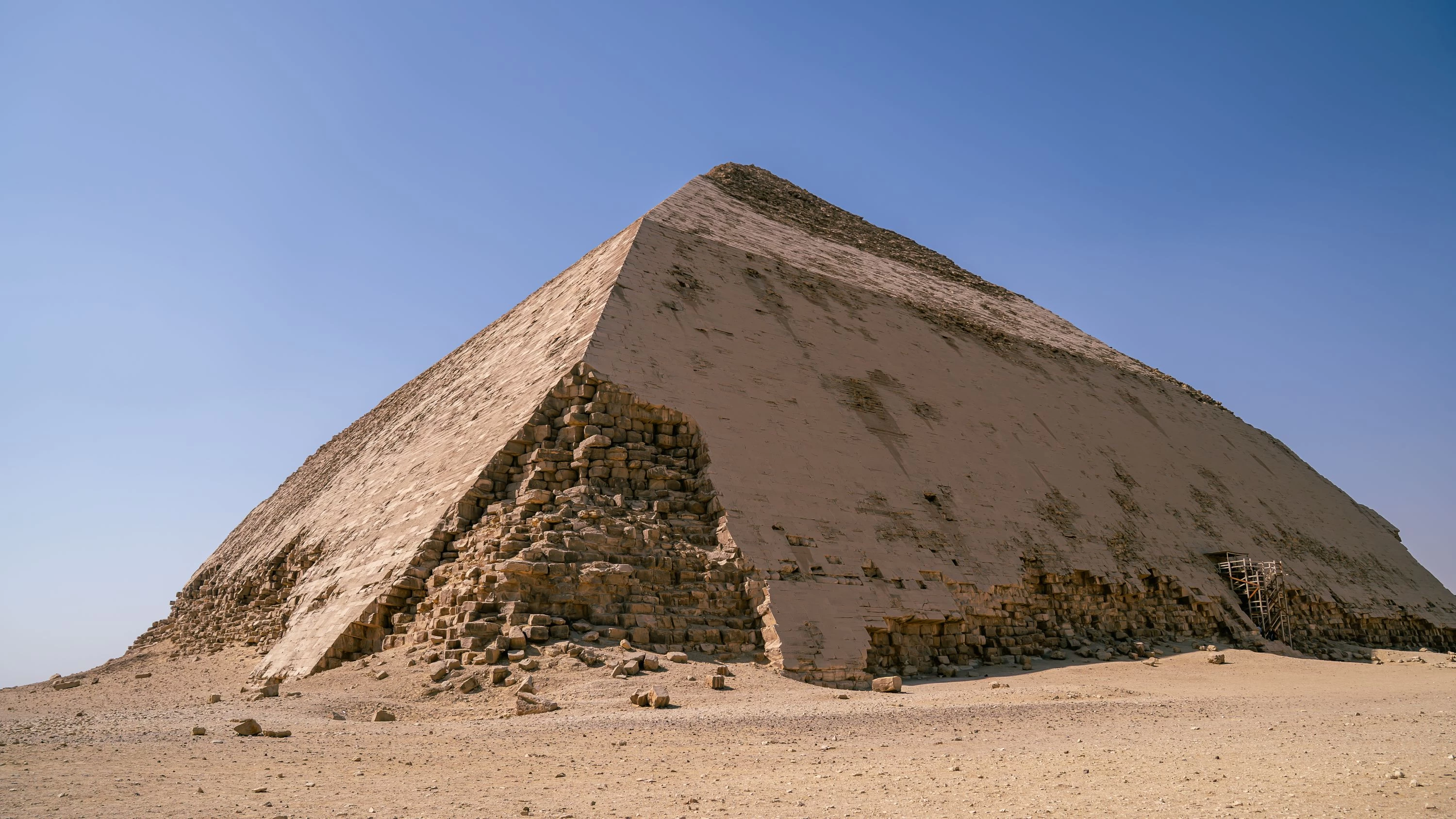
- Can also be combined with Dahshur pyramids
- Ideal visit duration: half day to full day
Summary
Saqqara is one of Egypt’s most important archaeological landscapes, representing the beginning of stone architecture and royal burial traditions. It combines pyramids, tombs, religious texts, and underground discoveries into one of the richest historical sites in the world.