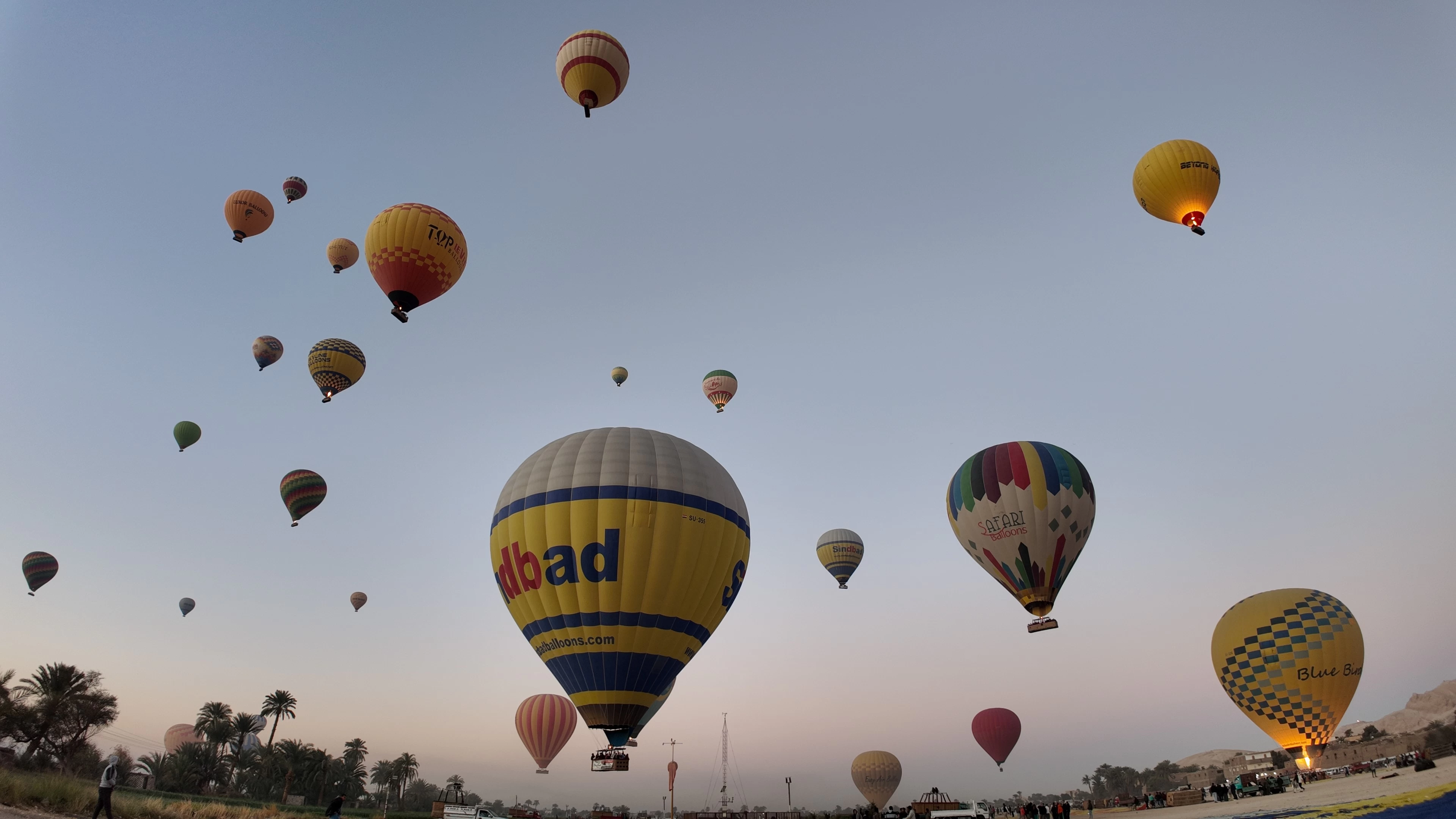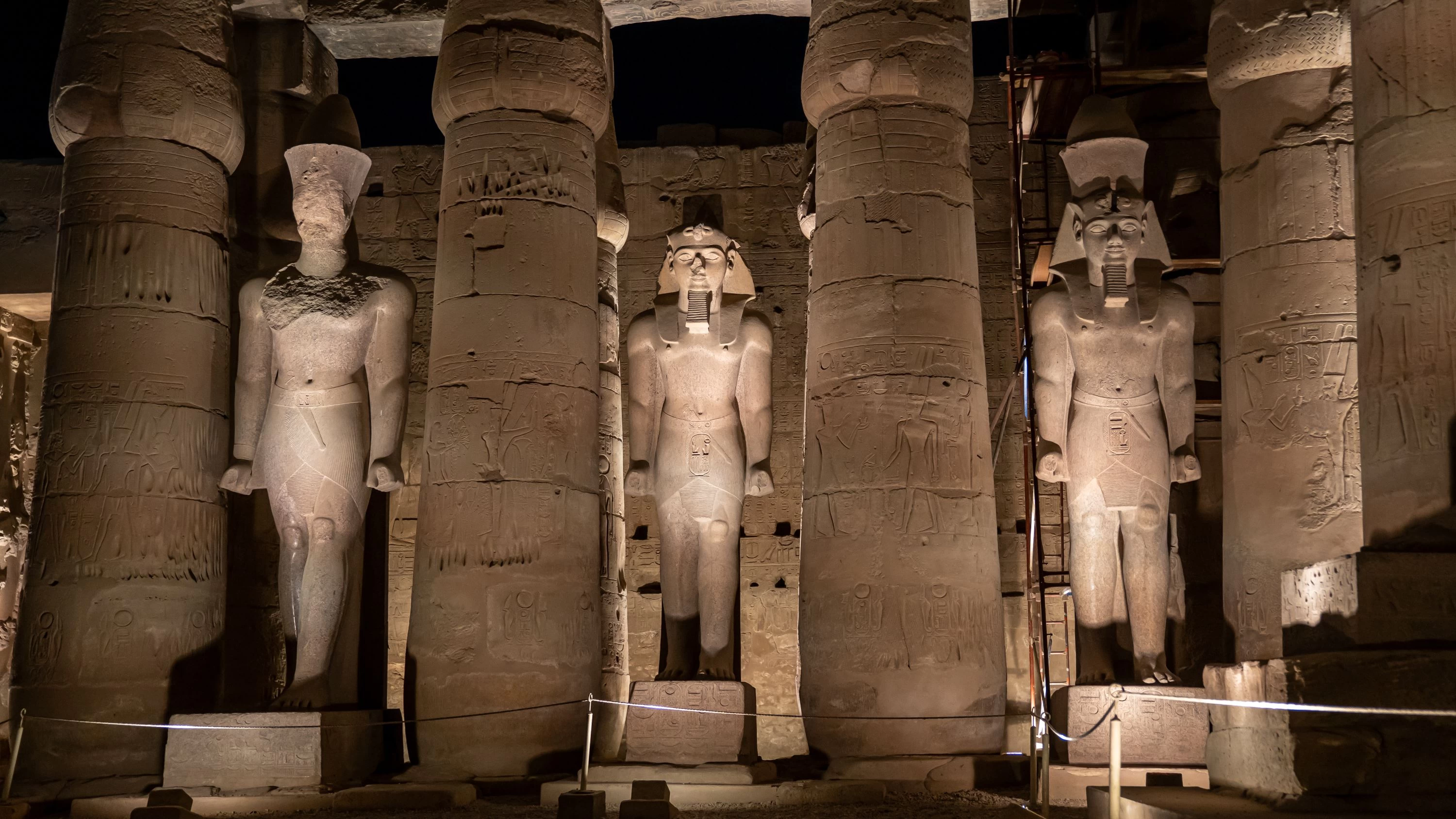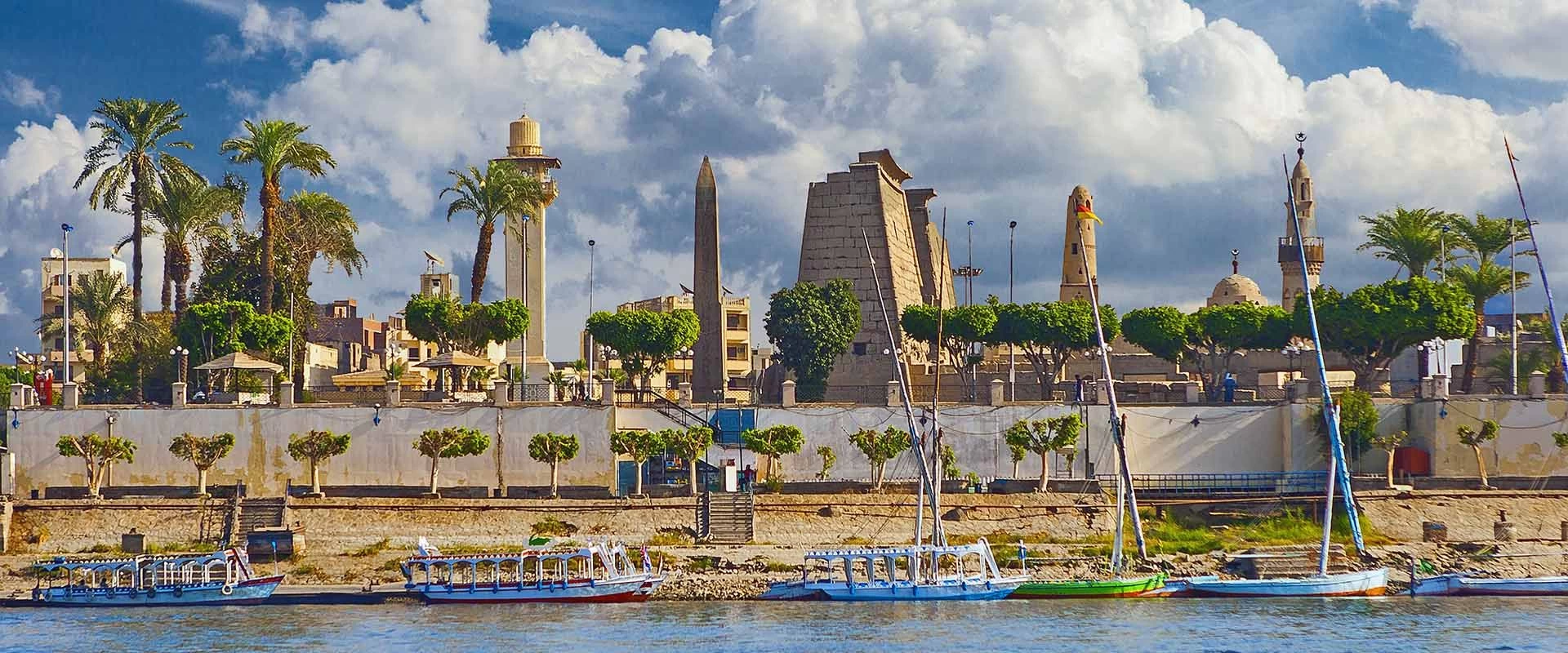
Known in ancient times as Waset, and later Thebes, Luxor is one of the most iconic archeological sites on Earth. Its importance rose to prominence during Egypt's New Kingdom, and it served as the most important capital city for nearly a thousand years.
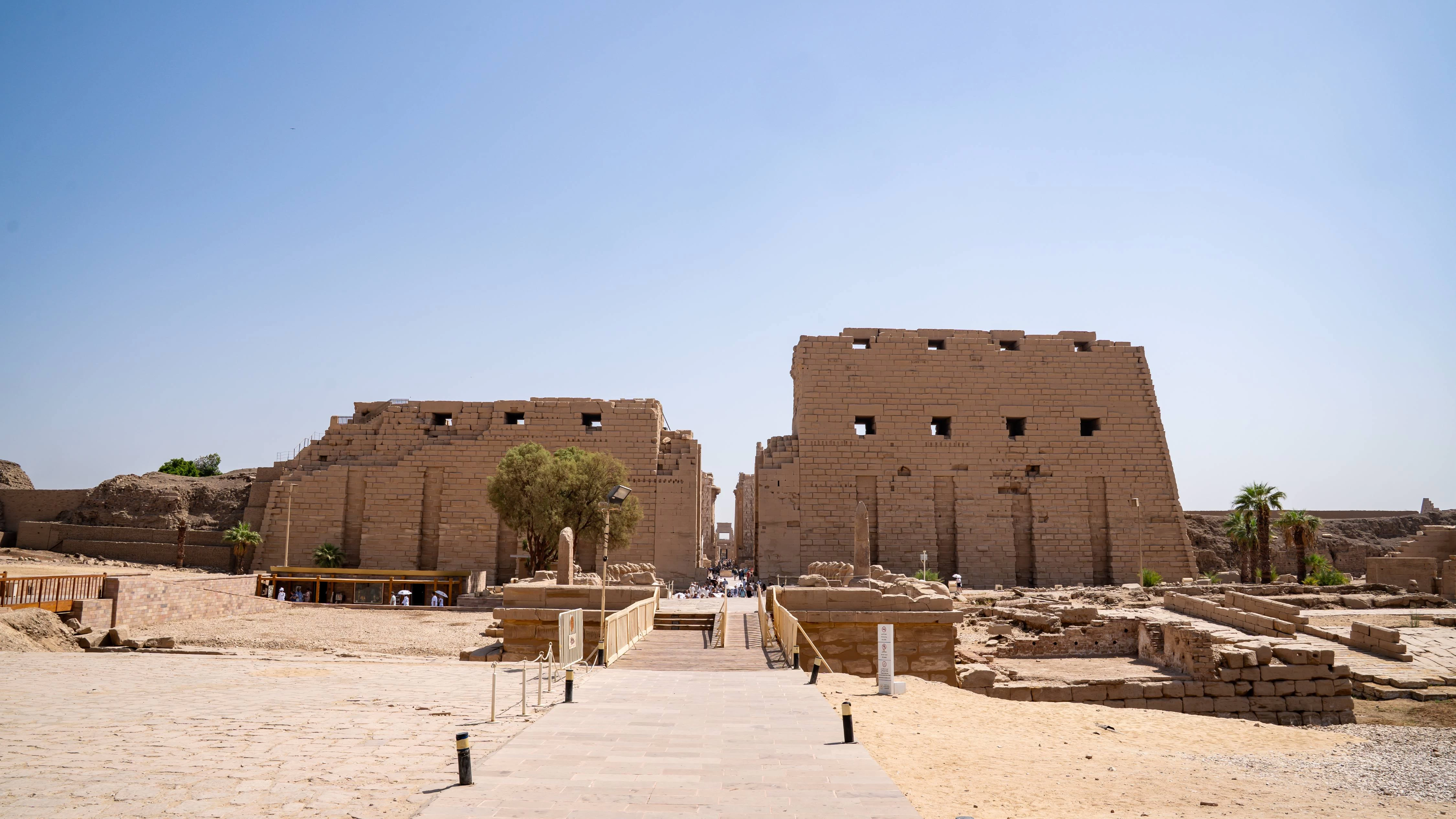
On the East Bank, Luxor hosts some of the greatest archaeological treasures ever discovered. At the heart of these stands Karnak Temple, the largest religious complex in the world, spanning over 250 acres. Nearby is Luxor Temple, once the royal palace of the Opet Festival and a living symbol of cultural continuity, growing from an ancient Egyptian temple to a Roman sanctuary to a Coptic church and today incorporates a functioning mosque. Few places capture such profound diversity in one site.
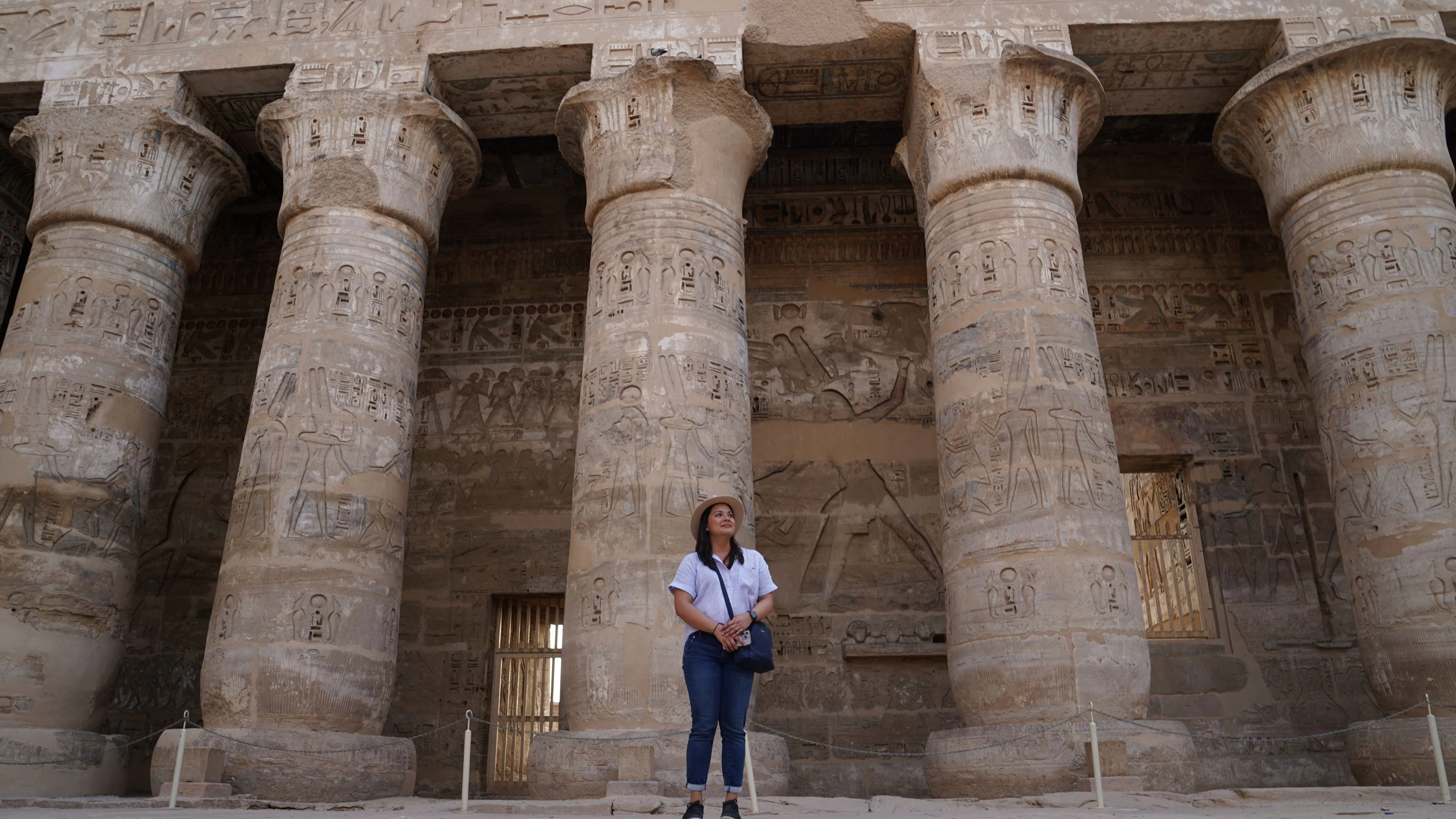
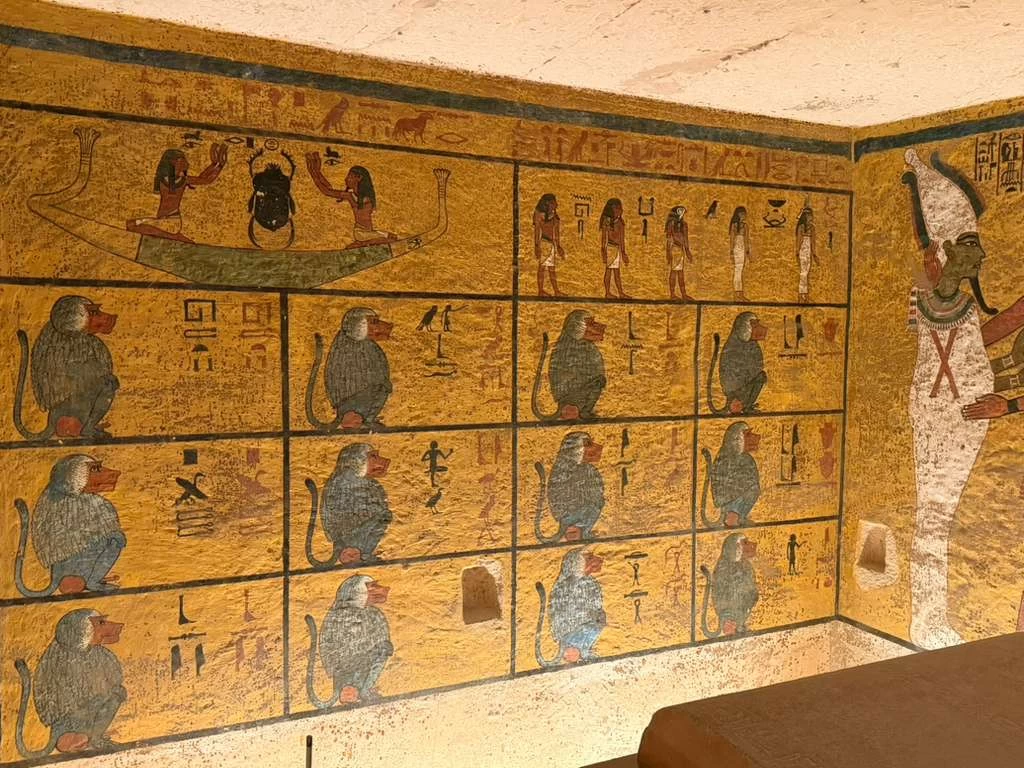
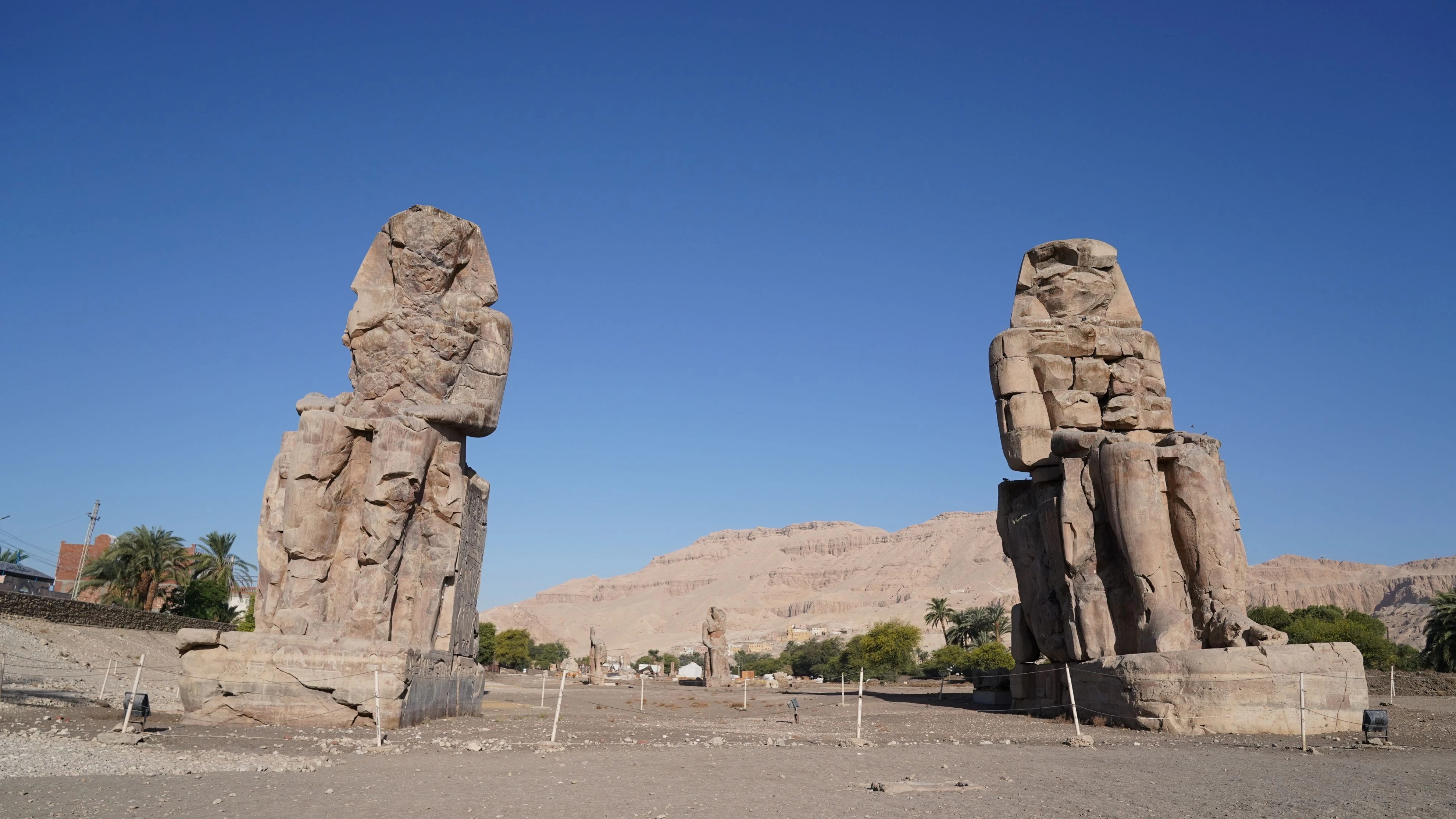
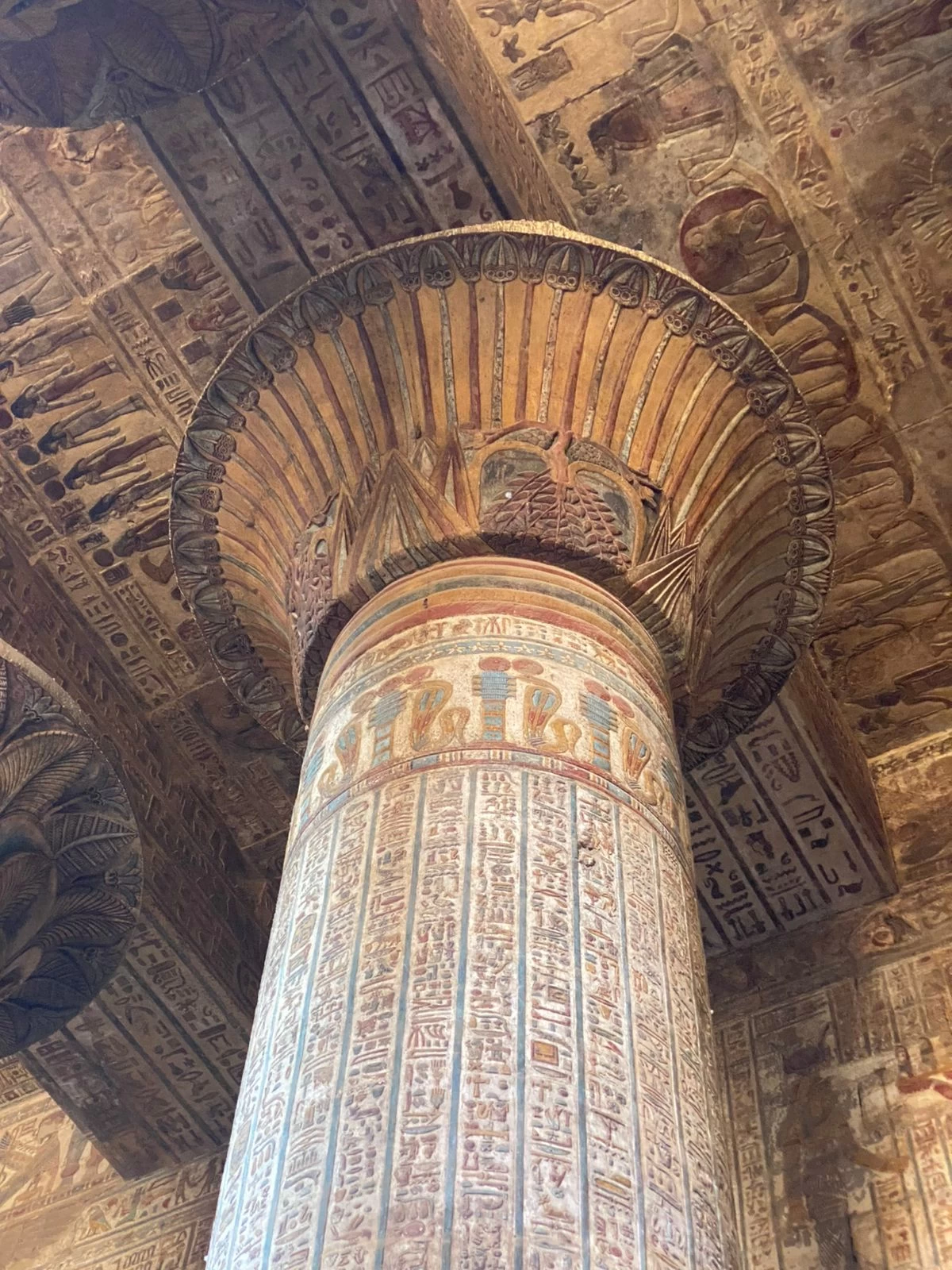
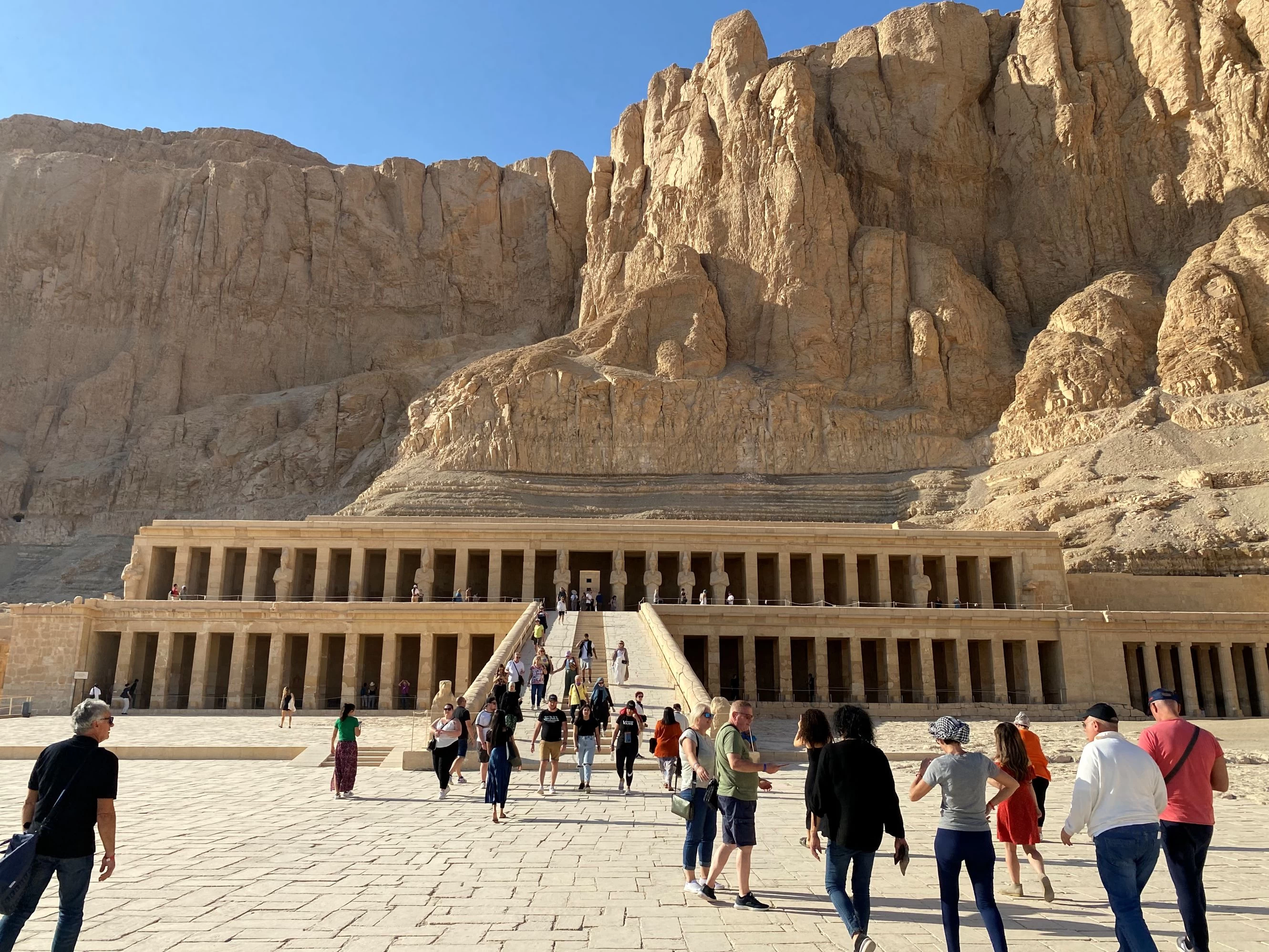
Crossing the Nile to the West Bank, you enter the land of the afterlife, home to over 4,000 tombs. These include the legendary Valley of the Kings, Valley of the Queens, the Tombs of the Nobles, and the Workers’ Village. The West Bank also features magnificent mortuary temples such as the Temple of Hatshepsut, the Temple of Habu, the Ramesseum, and many others.
Luxor alone contains more than 30% of the world’s ancient monuments, making it not just a city, but an open-air museum unmatched in scale and significance.
-webp.webp)
-webp.webp)